
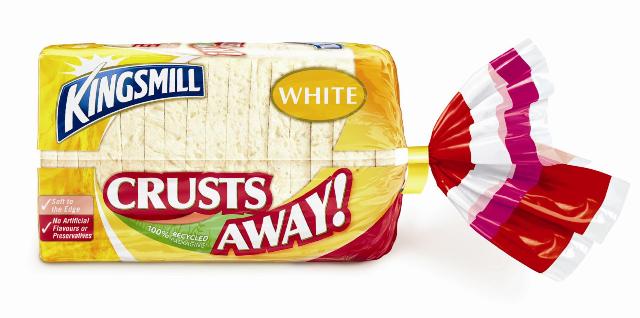
Allied Bakeries: The Recycled Bread Bag
Recycling flexible plastics is the flavour of the month and Allied Bakeries is clearly onto a winner with its recycled bread bags for its Little Big Loaf and Crusts Away lines. The bags, which walked out a clear winner in this category, are produced by Bpi.consumer at its Worcester factory from unused offcuts that are left over from the production of other bread bags. Allied Bakeries estimates that some 18.5m bread bags are saved annually thanks to the initiative, the equivalent of 12 tonnes of virgin polyethylene. Our judges, meanwhile, were impressed by the quality of the bags which showed “no obvious quality impact from being in 100% recyclate”. Others praised the clarity of the packs, which were designed by agency 1HQ, while one judge said that producing the bags from 100% recycled material was “very much the right thing to do”.
DISSOLVABLE LABELS

It is based on a feature already present on the fruit and vegetables sold in supermarkets – the oval or circular peel-off labels fixed to their skins – but uses the same space to provide a new, innovative twist on traditional designs.
The labels dissolve into an organic soap mixture which can then be used as a cleaning product, partly aiding in the removal of substances from the fruit or vegetable’s surface, like pesticides and/or wax.
Amron
The so-called Fruitwash Labels are the brainchild of Scott Amron who, on his website, lists a number of plus-points associated with the technology, without divulging exactly what makes them work or what’s in them.
Resistant to water, the Fruitwash Labels can be treated as conventional labels if required but, as their designer points out, there’s no need.
According to Amron, the Fruitwash Labels take away the requirement to acquire and use separate fruit wash treatments.
While the labels resist water, they dissolve when rubbed.
Prior to the fruits or vegetables passing into consumers’ hands, though, they can function in the same way as a traditional label, displaying barcode information for retail stock-check purposes alongside the retail price.
The Fruitwash Labels have not yet reached the production stage but Amron is presently seeking an investor to purchase a 10% stake in the Fruitwash Label Intellectual Property.
Summer 2012
According to Gizmag, he anticipates that these dissolvable, food-cleaning labels could make their market debut in around summer 2012.
Speaking to Gizmag, Amron said: “I’ve always been discontent with fruit labels and felt they could do more than just display product info and be difficult to peel off.
“We buy, wash and eat fruit. So, the wash step was the next thing the label should help with.”
“The best thing is the labels help make the fruit cleaner. And, there’s no label to peel off and throw away unless you choose to peel the label off and throw it away.”
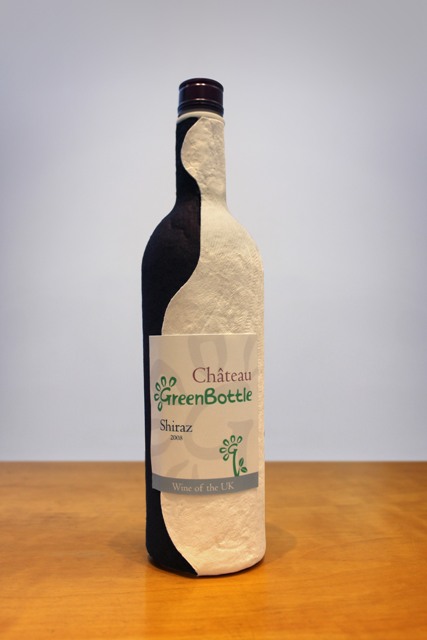
PAPER WINE BOTTLE
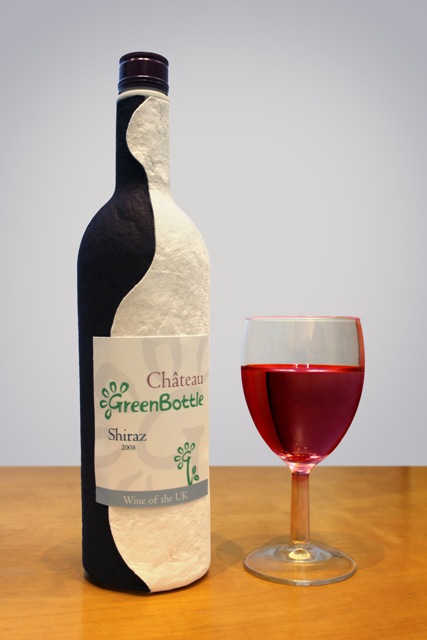
The company (GreenBottle) said that it is currently in talks with supermarkets and wine producers to make it available to the public as early as next year.
GreenBottle said it developed the “environmentally-friendly” packaging to save conscientious customers a trip to the bottle bank.
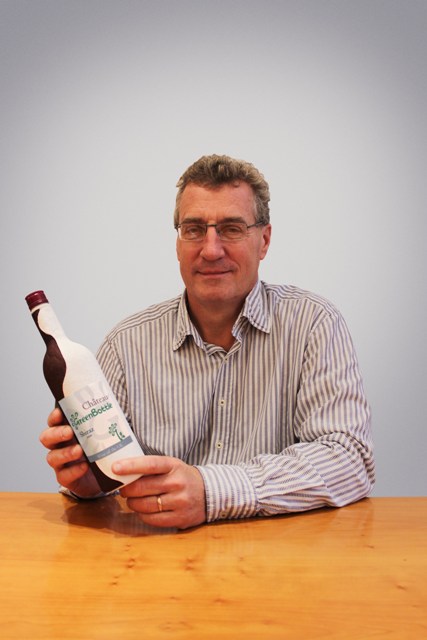
The bottle works by combining a paper outer with a thin plastic lining to keep the wine fresh, and was the brainchild of inventor Martin Myerscough following a chance conversation with a waste tip supervisor worked about the growing problem of plastic bottle waste.
Paper milk bottle
According to the Woodbridge company, the paper wine bottle is based on its paper milk bottle, launched earlier this year in Asda stores.
GreenBottle claims that consumer reaction to its milk bottle has been a success. It is currently celebrating its 100,000th sale since its launch earlier this year.
Landfill
According to the firm, each day, more than 15m plastic bottles are used in the UK and the vast majority of these, are ultimately destined for landfill, where, because they do not decompose, they will remain for up to 500 years.
Paper vs. plastics
Myerscough said: “The best thing about GreenBottle is that consumers just ‘get it’. We’ve found that if you offer them the choice of a paper bottle or a plastic one they’ll chose paper every time.
“Choosing milk in GreenBottles enables consumers to ‘do their bit’ for the environment every day – and our sales show that ever-greater numbers of consumers are doing this.
“We’re hopeful that the success we’ve had with GreenBottle in milk can be repeated with wine. It would mean an end to those morning-after trips to the bottle bank.
“All you would need to do is rip out the plastic lining and put the paper outer-casing in the bin or on the compost heap.”
PAPER MADE FROM POOP!


POOPOOPAPER products are natural, recycled and odorless (!) paper products made from poop from a variety of different fiber-eating vegetarian animals such as elephants, cows, horses, moose, pandas, and donkeys.
These fiber-eating animals eat lots of grass and vegetation everyday and they poop almost as much. Since the digestive systems of these specific animals don’t really break down the vegetation all that well, their poop has plenty of fiber even after their meal is consumed. Knowing that fibers are the base material used in making pulp for paper production (albeit tree fibers typically).
POOPOOPAPER PRODUCTS ARE PLAYFULLY OUTRAGEOUS WITH A SERIOUS UNDERLYING MESSAGE OF SUSTAINABILITY!UK's LIGHTEST WATER BOTTLE
The new PET bottles, for the Buxton Natural Mineral Water and Nestlé Pure Life brands, have a shorter neck and an ergonomic shape and use, according to Nestlé, an average of 25% less material than their predecessors.
It is also launching a new sports cap with a tamper evident seal that stays within the lid when it is opened.

Nestlé’s new factory in Buxton is also designed to reduce supply chain environmental impacts. It combines the bottling facility with warehousing and, according to the company, will house new lines that will reduce energy usage.
The factory is due to open in spring 2012. It will produce Buxton Natural Mineral Water in 25cl, 50cl, 75cl and 1l formats as well as 33cl and 50cl formats for Nestlé Pure Life.
Nestlé has not disclosed the exact weights of the bottles or the identity of the pre-form producer.
Nestlé Waters UK country manager Paolo Sangiorgi said: “This significant investment clearly demonstrates our commitment to our portfolio of bottled water and to ensuring the category remains relevant and exciting for our customers and consumers.”
ECOVER UNVEILS NEW PACKAGING MADE FROM SUGARCANE
The company said that all of its packaging will now be made from recyclable plastic made from sugarcane. It claims that Ecover is the first cleaning brand in the UK to use it.
The company said that all of its packaging will now be made from recyclable plastic made from sugarcane. It claims that Ecover is the first cleaning brand in the UK to use it.
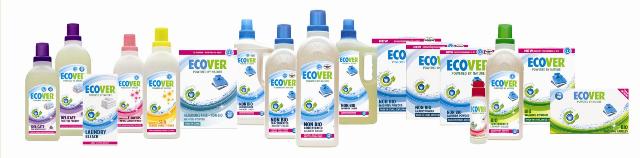
Ecover brand manager Emma Bennetts said: “We wanted to give our packaging a brighter, more eye-catching new look and think it really captures the essence of the Ecover brand.
“Our commitment to using Plant-astic across the whole range goes hand-in-hand with the new packaging, meaning our makeover is more than skin deep, and we can remain true to our values, naturally.”
Resource: Packaging News Magazine


No comments:
Post a Comment